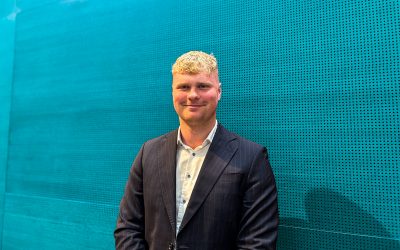
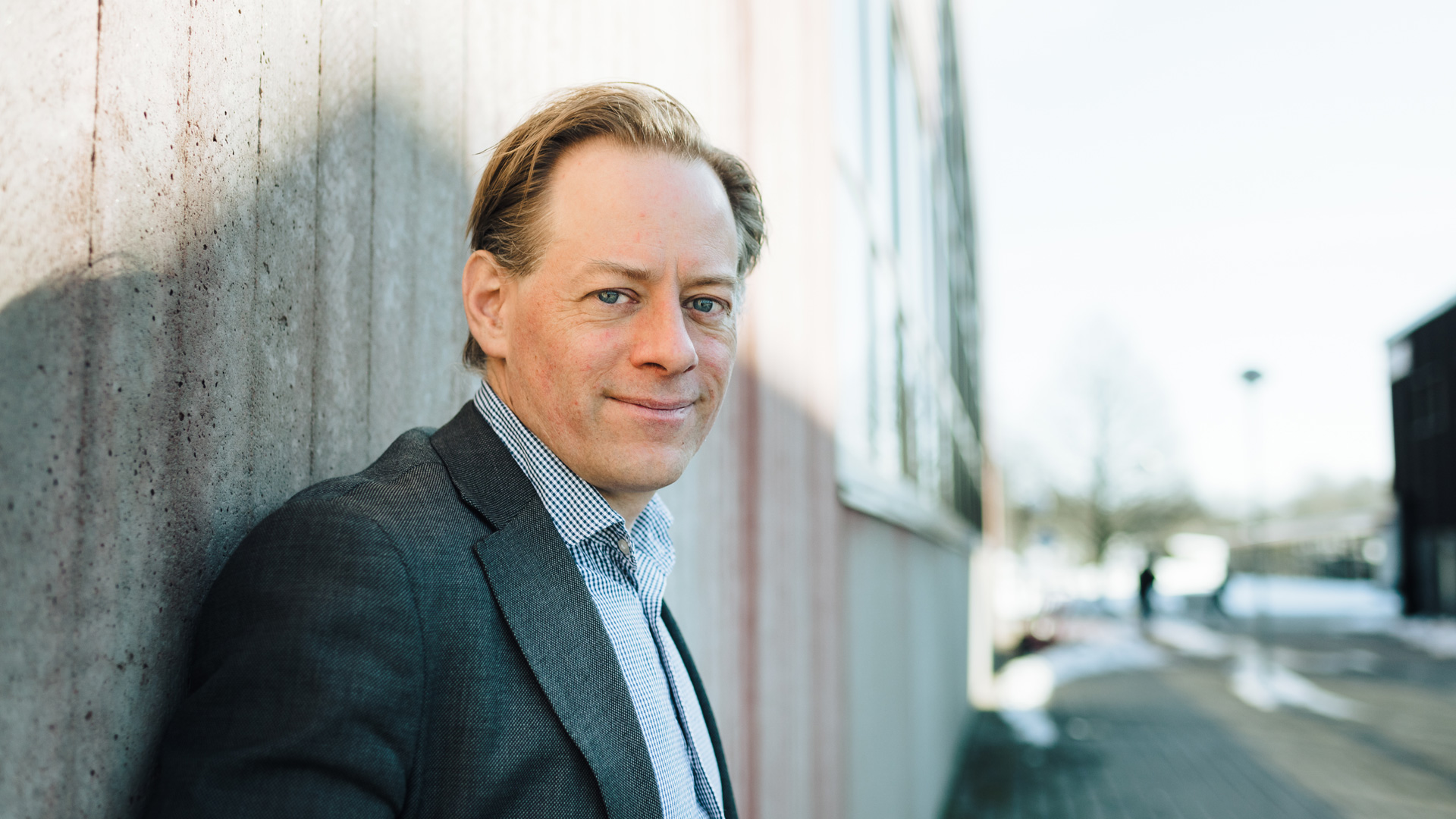
Fredrik Heintz is a Professor of Computer Science at Linköping University and a key figure in managing the TrustLLM project. With a diverse research focus, including trustworthy AI, Professor Heintz brings a wealth of expertise to the TrustLLM project. We spoke with Professor Heintz about the vision behind TrustLLM, and he shared his insights into the challenges and innovations shaping the future of AI in Europe, emphasising the importance of collaboration and maintaining autonomy in this rapidly evolving field.
Professor Heintz, tell us about the vision behind TrustLLM.
– The vision of TrustLLM is to create trustworthy European large language models (LLMs), with a focus on covering underrepresented languages. The main goal is to develop an open, trustworthy, and factual LLM, starting with Germanic languages. This will lay the groundwork for an advanced and open ecosystem that supports the next generation of modular, trustworthy, sustainable, and democratised European LLMs. The TrustLLM project and its ecosystem aim to enhance and support context-aware human-machine interaction across diverse applications.
How do you envision the impact of this research on the field and society at large?
– The models we are developing might not be the most powerful in the world, but they should be trustworthy. This means that we are focusing on what makes these models more reliable, but also legal. It turns out that it is both unclear and challenging to make large language models trustworthy and legal. This is currently our main focus, while at the same time making sure that we have the most competent and useful models that we can.
By focusing on Germanic languages, we aim to create a blueprint for future activities in other language families. This initiative will help secure Europe’s sovereignty in crucial AI technologies, fostering a novel framework for European collaboration on LLMs. We hope to contribute to securing European independence in important AI technologies and create a new framework for European collaboration on LLMs. Developing our own large language models is essential for Europe. We must lead through innovation, not just regulation. TrustLLM is an important step towards large-scale investments in Europe to make sure we take an active part and push our values in the form of new language models.
What challenges do you anticipate, and how do you plan to address them?
– Trustworthy and legal data collecting in all the Germanic languages is the main challenge. Dealing with low resource languages is another.